A featured snippet is the boxed answer Google pulls to the very top of the results, above the normal listings. People call it position zero, and it’s worth chasing: it earns a far higher click through rate than the first ordinary result. In 2026 it matters even more, because the same snippet now feeds three places at once, Google’s results, AI Overviews, and voice assistants. This guide covers how snippets work, how to win one, how to take one from a competitor, and how to keep it.
What Is a Featured Snippet?
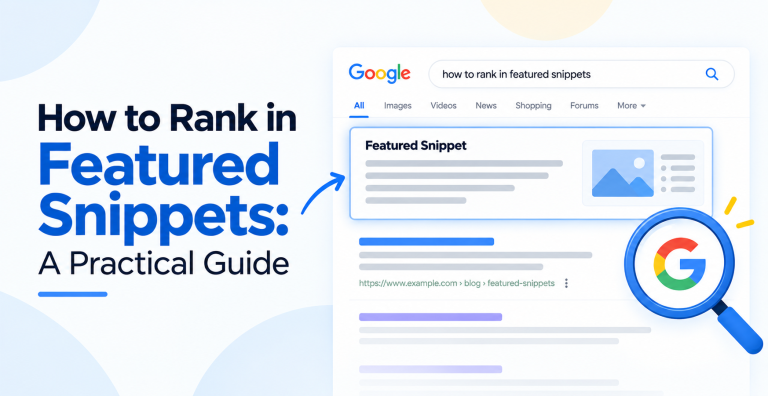
A featured snippet is a short answer Google lifts from a web page and displays in a box at the top of the results, with the source page linked beneath it. It’s Google trying to answer the question instantly. You don’t apply for one and you can’t mark up a page to force it. Google chooses the page it thinks answers the query best, then extracts the relevant part. Your job is to make your page the easiest, cleanest answer to lift.
Why Featured Snippets Matter More in 2026
Snippets used to be about one thing: a bigger slice of the search result. That’s still true, and the click through rate on a snippet runs well ahead of the standard first result. But the bigger shift is that one snippet now works across three channels.
- Classic search. The position zero box, above everything else.
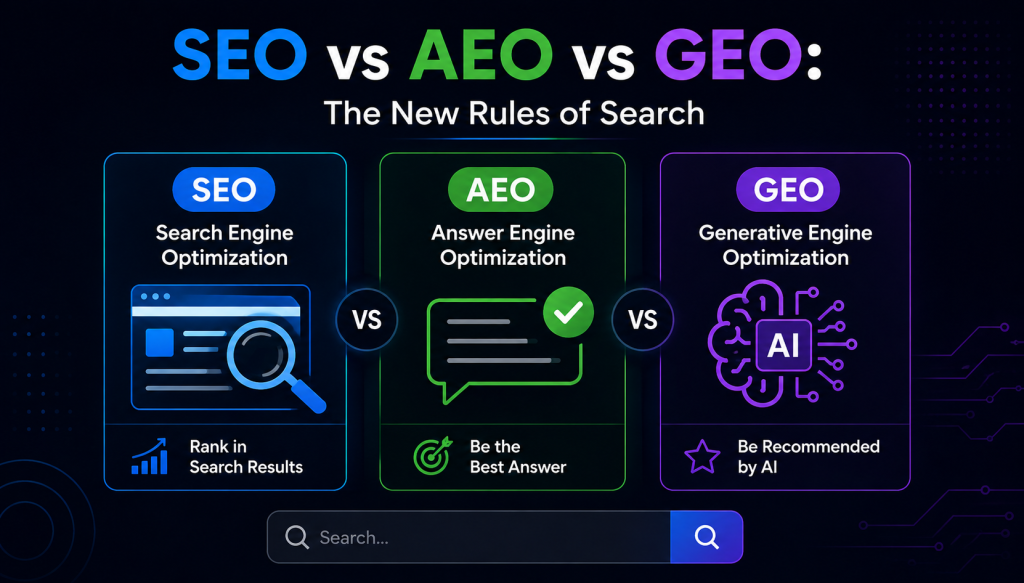
- AI Overviews. Google’s AI summaries and other answer engines lean on the same well structured, direct answers, so snippet friendly content is also AI friendly content.
- Voice search. When someone asks a voice assistant a question, the featured snippet is often the single answer read aloud.
With more than half of searches now ending without a click, being the answer, not just a link, is how you stay visible. One well built page can hold position zero and get cited in an AI Overview at the same time.
The Types of Featured Snippets
Knowing the format Google wants is half the battle, because you have to match it.
| Type | Best for | Rough share |
|---|---|---|
| Paragraph | Definitions and direct “what is” answers | About half |
| List | Steps, rankings, and “how to” content | Around a third |
| Table | Comparisons, prices, specs | Under one in ten |
| Video | Demonstrations and tutorials | Small |
Before you write, search the query and see which type Google currently shows. Match it. If the snippet is a numbered list, a perfect paragraph won’t take it.
You Have to Rank in the Top 10 First
This is the rule people skip. Google almost always pulls the featured snippet from a page already ranking on the first page for that query. Nearly every snippet comes from a top ten result. So if you’re on page two, no amount of clever formatting wins the box. Get the page onto page one first, then optimize it to be lifted. If it’s close but not there, that’s your fastest snippet opportunity.
How to Structure Content to Win a Snippet
Once you rank, formatting decides it. The pattern is consistent.
Ask the question as a heading. Use the exact question people search as an H2 or H3 on your page.
Answer it immediately, in 40 to 60 words. Right under that heading, give a direct, self contained answer in a short paragraph. No wind up. That tight block is what Google lifts. You can expand with detail below it.
Match the format. For a how to, use a real numbered list. For a comparison, use a real table. Use proper HTML list and table elements, not text dressed up to look like one.
Keep the language plain. Simple, clear sentences get lifted more often than dense ones. Write the answer the way you’d say it out loud.
How to Find Featured Snippet Opportunities
Don’t guess. Find the queries where a snippet is winnable.
- Mine People Also Ask. The questions in that box are snippet queries by nature. Answer them cleanly on a relevant page.
- Look for snippet gaps. The easiest wins are queries where you already rank in the top ten but someone else holds the snippet, or where a snippet shows but the current answer is weak.
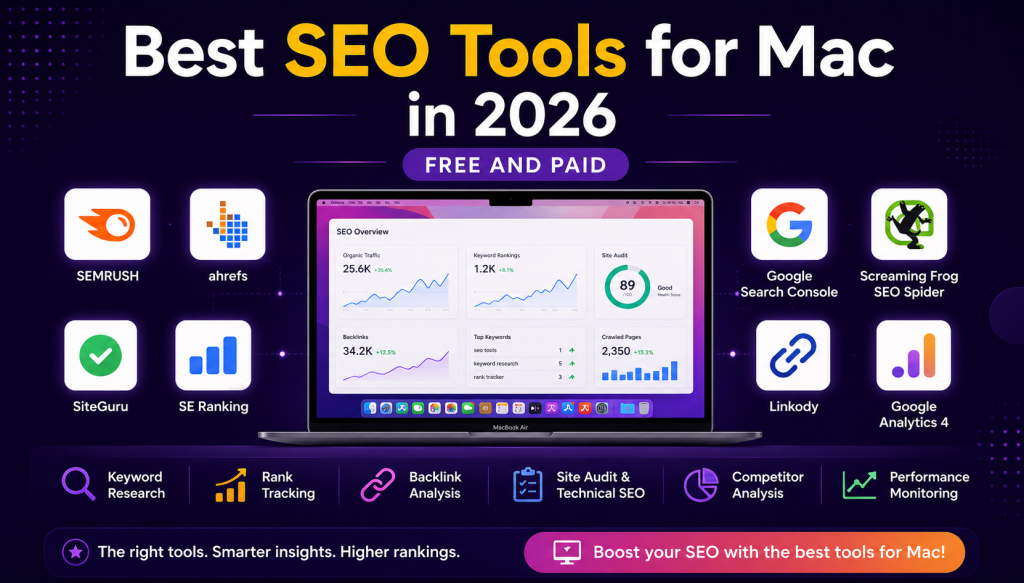
- Use your rank tracker. Ahrefs and Semrush both flag which of your keywords trigger a featured snippet and who owns it. Start with the ones you’re closest on.
- Target question keywords. Who, what, why, how, and “best” queries trigger snippets far more than plain terms.
How to Steal a Competitor’s Featured Snippet
This is where most guides go quiet, and it’s the most useful part. If a competitor holds the snippet for a query you rank for, you can often take it. Here’s how.
First, read the snippet Google is currently showing and the page behind it. Work out why it was chosen: the format, the length, the exact phrasing. Then beat it on its own terms. Give a cleaner, more direct answer in the right format, place it right under a matching heading, and make it genuinely more complete than theirs without padding. If they answered in a clunky paragraph, a tight list might win. If their answer is out of date, a current one often flips it. Google swaps snippets when a better lift appears, so the box changes hands more easily than a normal ranking does.
Featured Snippets, AI Overviews, and Voice
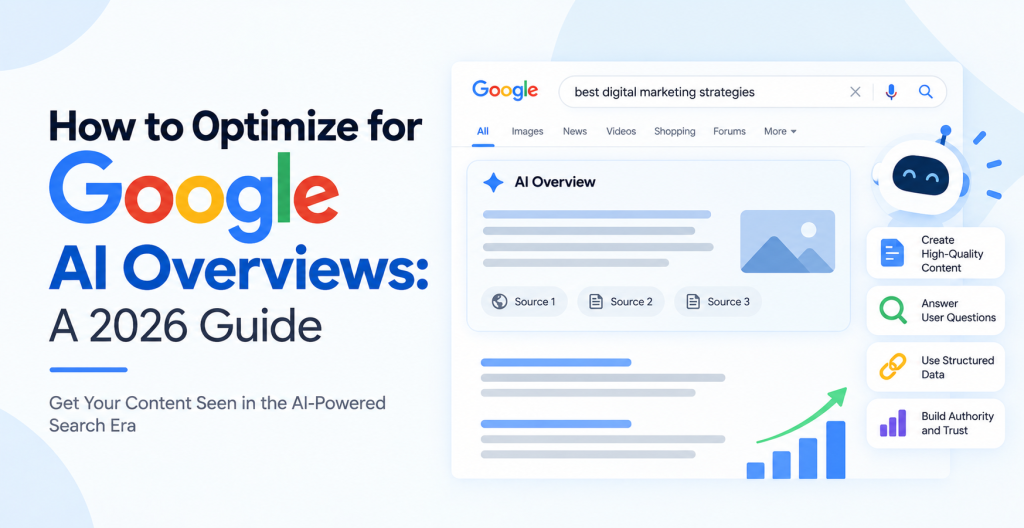
Treat these as one job, not three. The content that wins a snippet, a direct answer to a clear question, structured cleanly and backed by a fact, is the same content AI Overviews cite and voice assistants read out. Optimizing for the snippet quietly optimizes for all three. If you want the AI side in depth, our guide on optimizing for Google AI Overviews covers how those citations are chosen, and the overlap with snippets is large.
Why You Lose Snippets, and How to Keep Them
Winning a snippet isn’t permanent. You can lose it when a competitor publishes a better answer, when your information goes stale, or when Google simply reformats what it wants for that query. So treat snippets as something to maintain, not set and forget. Track your key snippet queries monthly, refresh the answers when facts change, and re check the format Google is showing, because it does shift. If you suddenly drop, compare your answer against whoever took it and tighten yours.
Common Mistakes to Avoid
- Chasing snippets on page two. Rank in the top ten first, or nothing else matters.
- Burying the answer. A long intro before the answer means Google has nothing clean to lift.
- Wrong format. Answering a “how to” with a paragraph when Google wants a list.
- Over long answers. A 200 word block rarely gets lifted. Keep the core answer tight.
- Set and forget. Not tracking snippets you win, then losing them quietly.
Frequently Asked Questions
What is a featured snippet?
A featured snippet is a short answer Google displays in a box at the very top of the results, above the normal listings, with a link to the source page. It’s often called position zero, and it aims to answer the searcher’s question directly.
How do I get a featured snippet?
First rank in the top ten for the query, since Google almost always pulls snippets from page one. Then put the exact question as a heading, answer it directly in 40 to 60 words right underneath, and match the format Google shows for that query, whether that’s a paragraph, list, or table.
How long should a featured snippet answer be?
For a paragraph snippet, aim for a direct answer of about 40 to 60 words placed right after the question heading. You can add more detail below it, but the tight opening block is the part Google lifts.
Can I lose a featured snippet?
Yes. You can lose a snippet when a competitor publishes a better answer, when your content goes out of date, or when Google changes the format it wants. Track your key snippet queries and refresh the answers so you keep the box.
Do featured snippets help with AI Overviews and voice search?
Yes. The same direct, well structured answers that win featured snippets are also what AI Overviews cite and what voice assistants read aloud. Optimizing for snippets tends to improve visibility across all three channels at once.
Does schema markup help win featured snippets?
Schema isn’t required to win a snippet, and Google pulls most snippets from plain, well structured content. It still helps machines understand your page and supports related rich results, so it’s worth having, just not the deciding factor for the snippet itself.
Featured snippets reward clarity more than anything else: rank on page one, answer the question directly, match the format, and keep the answer current. Do that on the questions your customers actually ask, and one page can earn you the top of Google, a spot in AI answers, and the voice result together. For help turning that into a plan across your site, our SEO services team builds content designed to win these placements.