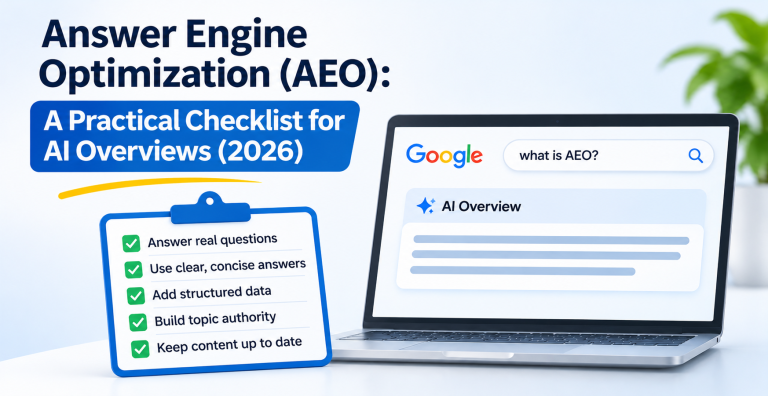
Search is quietly turning into answers. Google now opens many results with an AI Overview, voice assistants read a single reply aloud, and tools like ChatGPT and Perplexity hand users a direct answer instead of a list of links. To stay visible, your content has to be the answer, not just a result near it. That is the job of Answer Engine Optimization.
This guide explains what answer engine optimization is, how it relates to SEO and GEO, and then gives you a practical, grouped checklist you can work through to win Google AI Overviews, featured snippets, voice answers, and AI citations. Keep it open as a to-do list for your next content review.
What Is Answer Engine Optimization (AEO)?
Answer engine optimization (AEO) is the practice of structuring your content so search engines and AI assistants can pull a clear, direct answer from it and present that answer to the user. Where traditional SEO aims for a ranking the user then clicks, AEO aims to be the answer itself: the featured snippet, the voice reply, the line inside a Google AI Overview, or the sentence an AI assistant cites.
In practice, AEO means writing in a question-and-answer style, leading with concise answers, using clean structure and schema, and earning enough trust that an engine is comfortable repeating what you said.
AEO vs SEO vs GEO: A Quick Clarification
These three terms overlap, so here is the simple version:
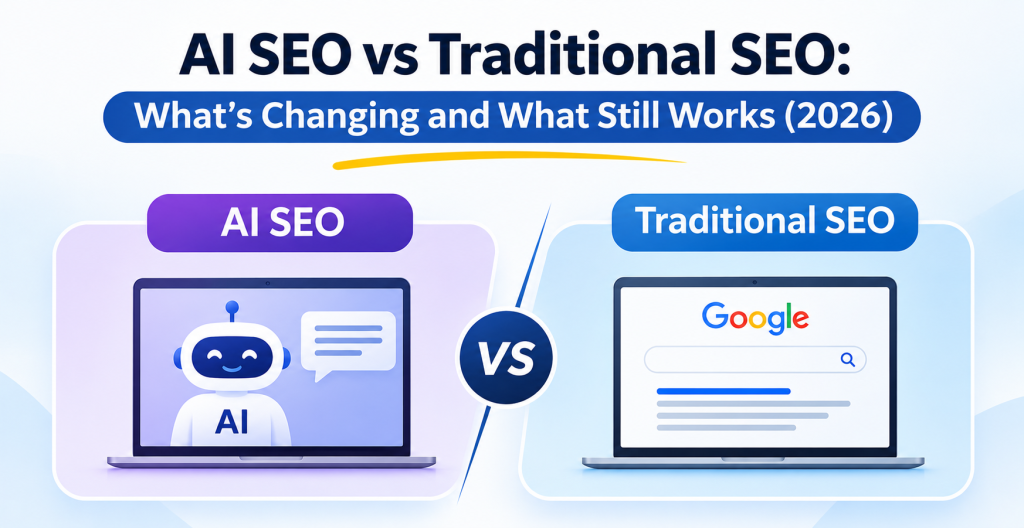
- SEO earns rankings on the results page. See AI SEO vs traditional SEO for how the classic discipline is evolving.
- AEO earns the direct answer: snippets, voice, and AI Overviews.
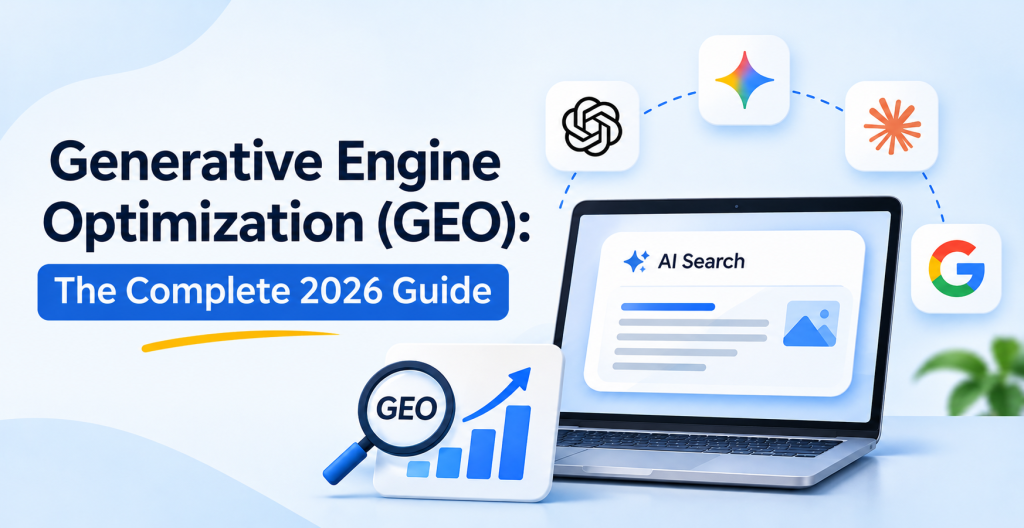
- GEO, or Generative Engine Optimization, earns citations inside generative AI answers like ChatGPT and Perplexity.
They share the same foundation and reinforce one another. Do AEO well and you will almost always improve your SEO and GEO at the same time, because clarity, structure, and trust help in every surface.
Why AEO and AI Overviews Matter Now
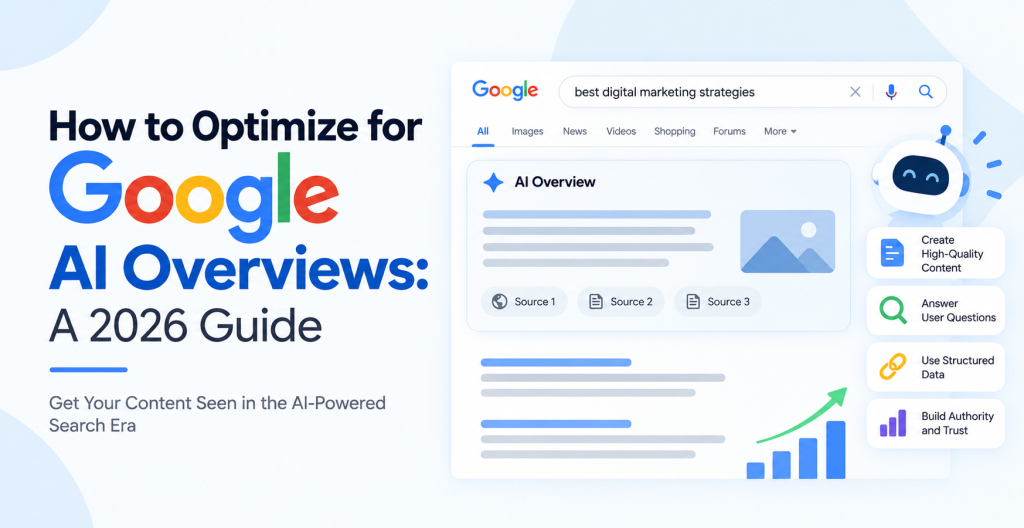
Google’s AI Overviews now appear for a large and growing share of searches, often taking the space that used to belong to the top organic result. At the same time, voice search and AI assistants resolve more questions without ever showing a page of links. The result is simple: the brands that are formatted to be the answer capture visibility, and the ones that are not get skipped, even when they technically rank.
There is also a compounding benefit. Being chosen as the answer builds trust in a way a normal listing does not, because the user reads your brand as the response the engine endorsed. Over time, that repeated visibility, in snippets, voice results, AI Overviews, and AI citations, makes your brand feel like the default expert on your topic, which feeds back into clicks, mentions, and conversions.
The upside is that AEO is still an open opportunity. Many sites have not adapted their content yet, so a focused effort can win answers that larger, slower competitors are leaving on the table.
The AEO & AI Overviews Checklist
Work through these five groups. Treat each item as a box to tick on your important pages, and start with the pages that already target real buyer questions, since those have the fastest path to becoming answers.
1. Content and structure
This is where most AEO wins are made, because engines can only lift an answer that is clearly written and easy to find on the page.
- Lead with the answer. Put a clear, direct answer in the first one or two sentences of each section, before the background. Engines lift the clearest, earliest answer they can find.
- Write in a question-and-answer style. Use real questions your audience asks as headings, then answer each one completely and concisely.
- Keep answers tight. Aim for roughly 40 to 60 words for a snippet-style answer, then expand below for the reader who wants more.
- Add a real FAQ section. Cover the follow-up questions a buyer would ask next, with each answer self-contained.
- Use clean structure. Descriptive H2s and H3s, short paragraphs, numbered steps, and comparison tables all make your content easy to parse and lift.
- Match search intent. Make sure the format fits the question: a definition for “what is,” steps for “how to,” a table for “X vs Y.”
2. Technical and schema
Great content still has to be reachable and machine-readable. This group removes the technical reasons an engine might fail to use your answer even when it is well written.
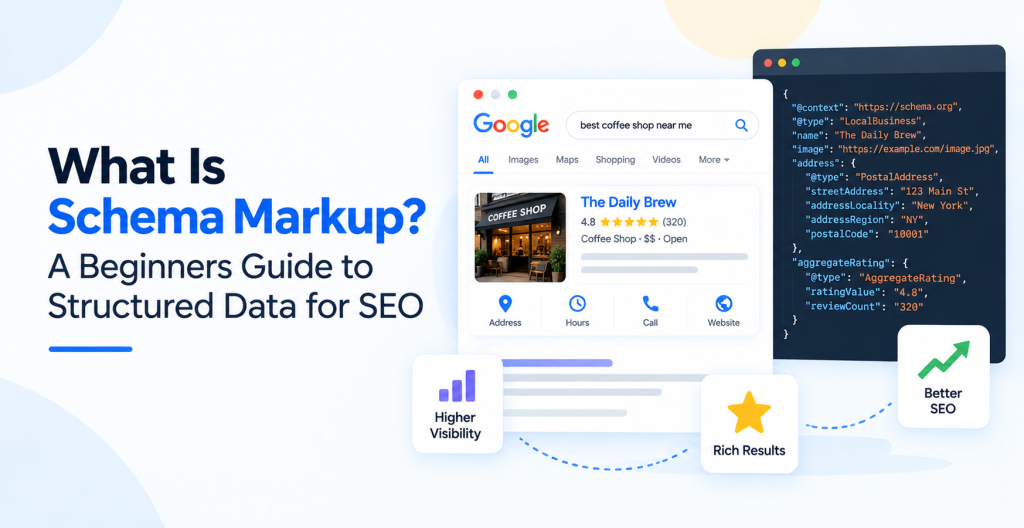
- Add relevant structured data. Use FAQPage, HowTo, Article, and Organization schema where they genuinely apply, so machines understand the role of each block of content.
- Allow AI crawlers. Confirm your robots.txt permits GPTBot, Google-Extended, PerplexityBot, and ClaudeBot unless you have a reason not to.
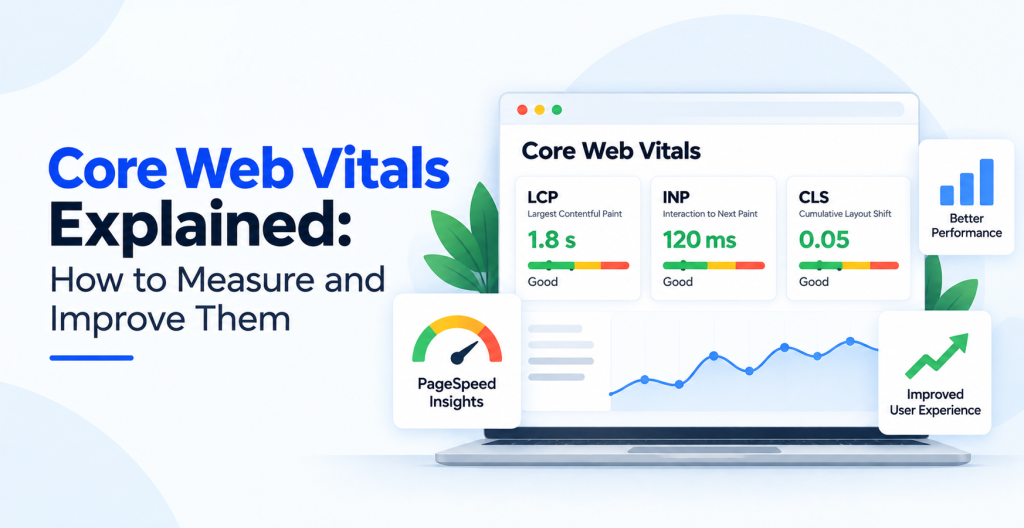
- Keep the site technically healthy. Fast load times, clean URLs, mobile-friendliness, logical internal linking, and no broken or duplicate pages.
- Serve content in HTML. Make sure your key answers are in the page’s HTML, not hidden behind heavy JavaScript that a crawler might not render.
- Fix indexation basics. If a page is not crawled and indexed, it cannot become an answer, so check coverage in Google Search Console.
3. Authority and trust (E-E-A-T)
Clear, well-structured content gets you considered; trust is what gets you chosen. Engines are cautious about which sources they repeat, so signals of real experience and credibility tip the decision in your favour.
- Show real expertise. Add author bios, credentials, and genuine experience to important pages, because engines favour answers from sources they trust.
- Earn third-party mentions. Digital PR, guest contributions, and being referenced on reputable sites all teach engines to associate your brand with your topic.
- Build and surface reviews. Engines often lean on review sites and communities when summarising opinions about a brand or product.
- Be consistent everywhere. Keep your business name, category, and details identical across your site, profiles, and listings so your entity is unambiguous.
- Keep content accurate and current. Review and update key pages on a schedule; stale or contradictory content quietly loses trust.
4. Google AI Overviews specific
AI Overviews draw heavily on content that already performs well for questions and snippets, so this group is about pointing your existing strengths at the queries that trigger them.
- Target question keywords. Build pages around the exact questions that trigger AI Overviews in your niche, and answer them directly near the top.
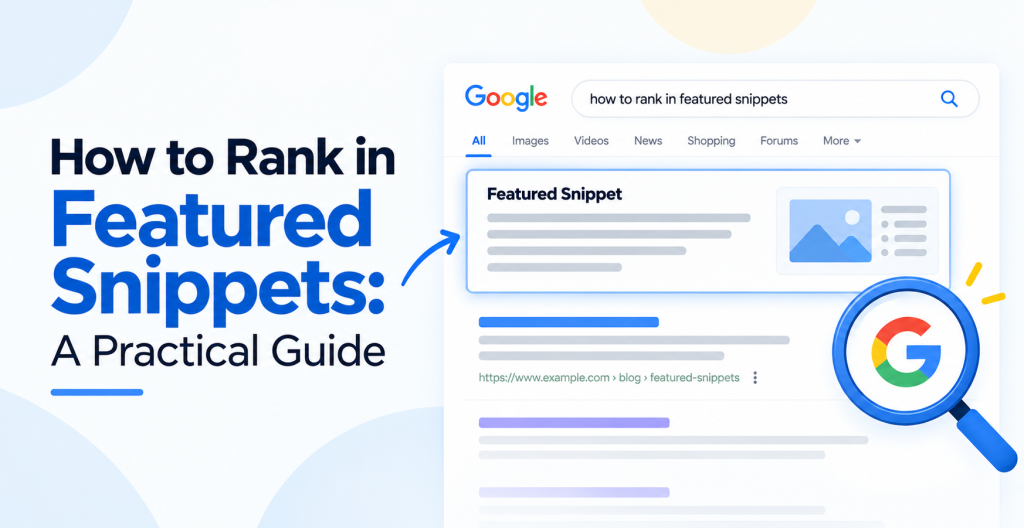
- Win featured snippets first. Snippet-worthy formatting, clear definitions, steps, and tables, is strongly linked to appearing in AI Overviews.
- Cover the topic fully. AI Overviews often synthesise several subtopics, so a thorough, well-structured page is more likely to be drawn from.
- Monitor in Search Console. Watch impressions and queries for your question-based pages to see which are surfacing, and refine the ones that are close.
5. Measurement
AEO is an ongoing loop, not a one-time fix, so you need to see which answers you are winning and which you are missing.
- Track your answer visibility. Note which queries show your content as a snippet or inside an AI Overview, and where competitors appear instead.
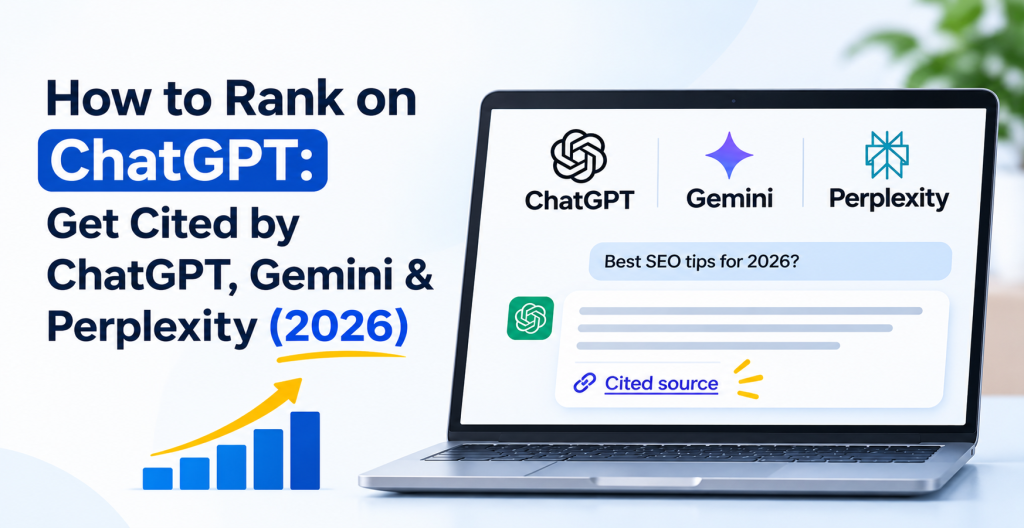
- Measure citation share. Run a fixed set of buyer prompts through ChatGPT, Gemini, Perplexity, and AI Overviews each month and record how often you are cited. This is the same method behind getting cited by ChatGPT, Gemini, and Perplexity.
- Iterate on what works. Double down on the formats and pages that win answers, and rework the ones that consistently get skipped.
Common AEO Mistakes to Avoid
- Burying the answer. If the direct answer is three paragraphs down, an engine often picks a competitor who answered sooner.
- No structure or schema. Walls of text are hard to parse; engines reward clean, marked-up content.
- Ignoring intent. Answering a “how to” with a definition, or vice versa, loses the snippet.
- Blocking AI crawlers by accident. You cannot be the answer if the engine cannot read you.
- Never measuring. Without tracking answer visibility and citation share, you are optimising blind.
Turn the Checklist Into Results
Answer engine optimization is not a trick; it is disciplined clarity. Lead with the answer, structure it so machines can lift it, back it with real expertise and trust, and measure where you show up. Do that across your important pages and you will start winning AI Overviews, snippets, voice answers, and AI citations that your competitors are leaving unclaimed.
If you would rather have specialists run it, optmistic is an AI SEO company that combines AEO, GEO, and proven SEO into one strategy. We have delivered results since 2016, across 220+ projects for clients worldwide, and our team is SEMrush-certified. Explore our AI SEO, GEO & AEO services or get a free AI visibility audit to see which answers you are winning, and which you are missing, today.
Frequently Asked Questions
What is answer engine optimization (AEO)?
Answer engine optimization is the practice of structuring your content so search engines and AI assistants can extract a clear, direct answer from it and show that answer to users, as a featured snippet, a voice reply, a line in a Google AI Overview, or a cited source in an AI assistant. It relies on answer-first writing, clean structure, schema, and trust.
How is AEO different from SEO?
Traditional SEO optimises to rank in the list of results so people click through. AEO optimises to be the answer that is shown directly, so the user may never need to click. Good SEO still supports AEO, because engines can only use content they can crawl, understand, and trust.
How do I optimize for answer engines?
Lead each section with a concise, direct answer, write in a question-and-answer style with clear headings, add FAQPage and other relevant schema, allow AI crawlers, demonstrate real expertise, and keep content accurate and current. Then measure which queries show your content as the answer and refine from there.
How do I appear in Google AI Overviews?
Target the exact questions that trigger AI Overviews, answer them clearly near the top of the page, format for featured snippets with definitions, steps, and tables, cover the topic thoroughly, add structured data, and monitor your question-based pages in Google Search Console.
Does AEO replace SEO?
No. AEO is an extension of SEO, not a replacement. You still need strong technical SEO, quality content, and authority; AEO adds the answer-first structure and trust signals that make that content easy for engines to present as the direct answer.