In today’s connected world, your online reputation is often the first impression you make. Before someone hires you, buys from you, or works with you, they search your name or your business, and what they find shapes their decision in seconds. A single negative result or unanswered complaint can cost you customers, while a strong, positive presence builds instant trust. That is why managing your online reputation is no longer optional.
The good news is that you do not need an expensive course or agency to get started. Much of online reputation management is common sense applied consistently. This guide explains what online reputation management is, why it matters, and the practical steps you can take to build and protect a positive image online.
What Is Online Reputation Management?
Online reputation management, often shortened to ORM, is the process of shaping and maintaining how you or your business appears online. It means making sure that when someone searches for you, they find accurate, positive, and professional information rather than anything damaging. ORM combines monitoring, content creation, review management, and smart search engine optimization to keep your public image healthy.
Why Online Reputation Management Matters
People trust what they find online. Most customers read reviews and search a business before making a decision, and they rarely look past the first page of results. If those results are negative, outdated, or empty, you lose trust and business before you ever get a chance to make your case. A strong reputation, on the other hand, attracts customers, supports higher prices, and gives you resilience when problems arise. Protecting it is one of the most valuable investments you can make.
How to Manage Your Online Reputation
1) Audit Your Current Reputation
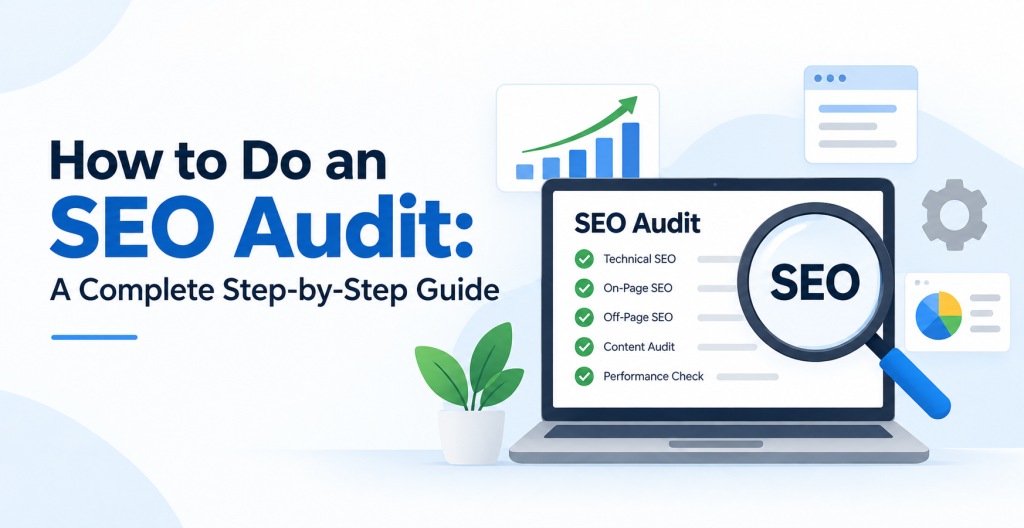
You cannot manage what you have not measured. Start by searching your name and business on Google and other search engines to see exactly what others find. Review the first few pages of results, check your social profiles, and read what appears in the suggestions when people begin typing your name. This honest audit shows you where you stand and what needs attention.
2) Monitor Your Reputation Continuously
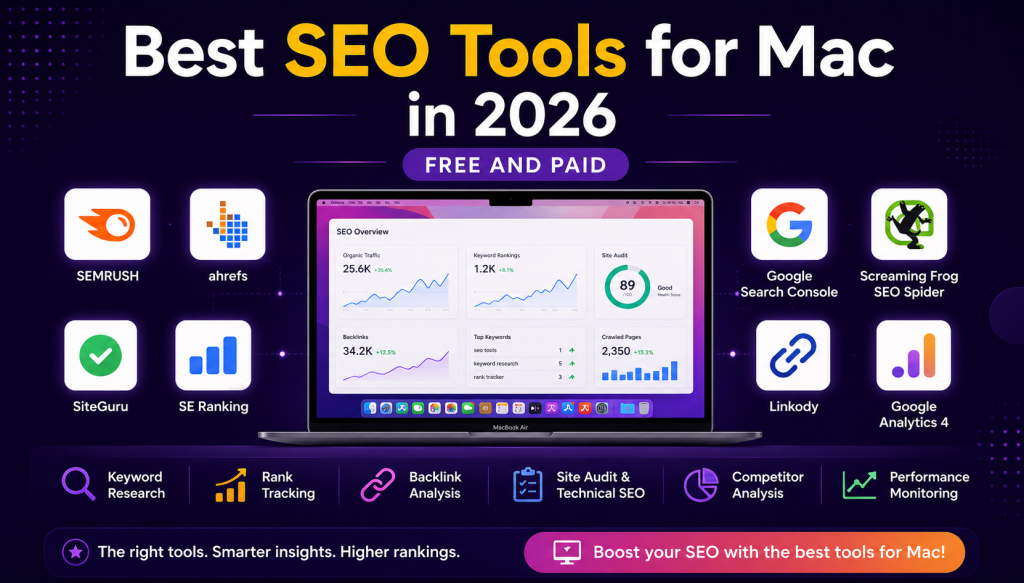
Reputation management is ongoing, not a one time task. Set up alerts for your name and business so you are notified whenever you are mentioned online. Free tools like Google Alerts, along with paid monitoring services, help you catch new reviews, mentions, and issues early. The sooner you know about a problem, the easier it is to address before it spreads.
3) Claim and Optimize Your Profiles
Take control of how you appear by claiming your profiles on the platforms that matter, such as Google Business Profile, major social networks, and relevant directories. Fill them out completely, keep your information accurate and consistent, and use professional images. Well optimized profiles often rank at the top of your search results, which lets you control the first impression people get.
4) Encourage and Manage Reviews
Reviews are one of the biggest factors in your online reputation. Make it easy for happy customers to leave honest feedback, and build a steady flow of positive reviews over time. A healthy collection of recent, genuine reviews builds trust and helps push down any isolated negative comments. Never ignore your review profiles, since they are often the first thing potential customers check.
5) Respond to Negative Feedback Professionally
Negative feedback is inevitable, but how you handle it defines your reputation. Respond calmly, promptly, and professionally, acknowledge the concern, and offer to make things right. A thoughtful public response shows everyone reading that you care about your customers. Often, a well handled complaint impresses future customers more than a flawless record would.
6) Push Down Negative Results With Positive Content
Sometimes you cannot remove a negative result, but you can outrank it. By publishing plenty of strong, positive content, you can push unwanted results further down where fewer people ever see them. Optimized web pages, articles, profiles, and press coverage all help fill the first page of results with content that reflects you well.
7) Remove or Make Harmful Content Private
If damaging content comes from your own past posts, delete it or set it to private so it no longer appears in search results. For content on platforms you control, tightening your privacy settings can quickly clean up your image. When harmful content is posted by others and violates platform rules, you can often request its removal directly.
8) Build a Strong Brand Presence
The best defense is a strong presence. Secure a personal or business website, ideally using your own name or brand as the domain, and publish unique, valuable content there. A well maintained website usually ranks at the top when people search for you, giving you a trusted home base that anchors your entire online reputation.
9) Create and Share Positive Content
Actively shaping your reputation means consistently sharing content that reflects your expertise and values. Publish helpful articles, share updates on social media, and engage with your audience and community. A strong content marketing and social media marketing effort keeps your positive presence fresh and visible, crowding out anything negative.
10) Think Before You Post
Perhaps the most important rule is to pause before you publish anything. Comments and posts can live online permanently, and a single careless message can undo years of goodwill. Consider how your words might be read by customers, employers, or the public, and always act with the reputation you want to protect in mind.
11) Separate Your Personal and Professional Presence
Mixing personal opinions with your professional brand can create confusion and risk. Where it makes sense, keep your personal social accounts separate from your business presence, and adjust privacy settings so casual personal content does not surface in professional searches. This lets you stay authentic in private while presenting a clean, consistent image to customers and partners.
12) Use SEO to Control Your Search Results
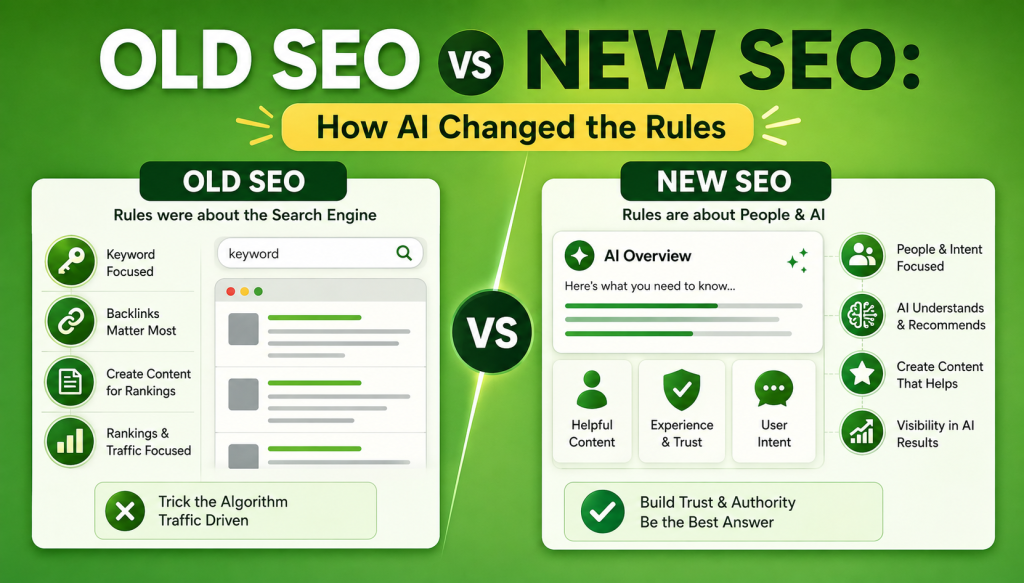
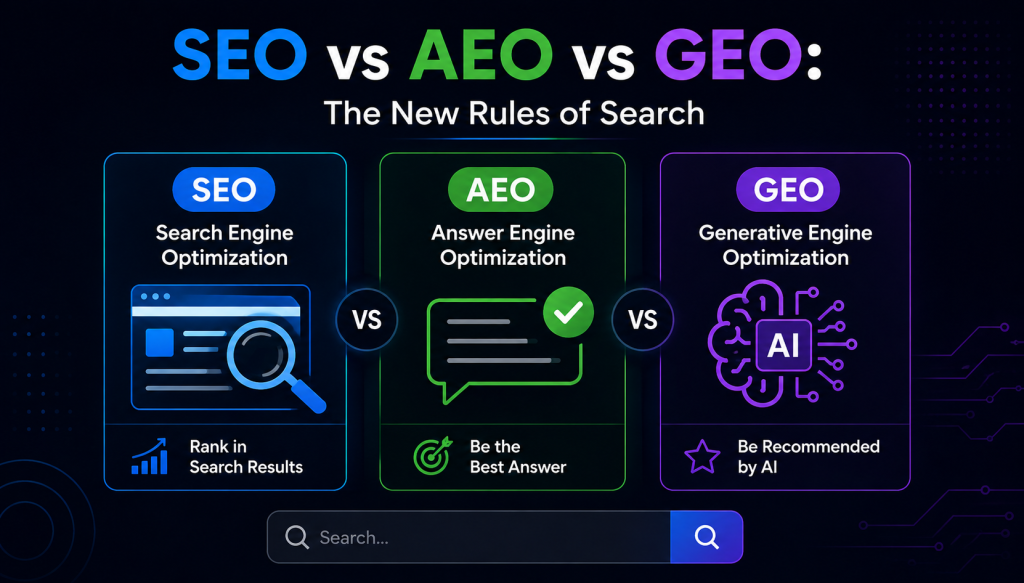
Search engine optimization is one of the most powerful tools in reputation management. By optimizing your website, profiles, and positive content for the keywords people use to find you, you can secure the top spots in your own search results. When the first page is filled with content you control, you decide the story people see first.
Common Online Reputation Mistakes to Avoid
Even with good intentions, it is easy to damage your reputation through avoidable errors. Watch out for these common mistakes:
- Ignoring reviews and mentions, which lets small problems grow unchecked.
- Responding emotionally to criticism instead of staying calm and professional.
- Deleting every negative comment, which can look defensive and untrustworthy.
- Faking reviews, which destroys credibility and can lead to penalties.
- Going silent, leaving your search results empty for others to fill.
Avoiding these missteps is often just as important as the positive actions you take.
Online Reputation Tips for Businesses
- Assign someone to monitor and respond to reviews and mentions regularly.
- Keep your business information consistent across every platform.
- Turn happy customers into advocates by making reviews easy to leave.
- Have a clear plan for responding to complaints and crises.
- Invest in ongoing content and SEO so positive results stay on top.
Frequently Asked Questions
What is online reputation management?
It is the practice of monitoring and shaping how you or your business appears online, so that searches return accurate, positive, and professional results rather than damaging ones.
Can I remove negative content from the internet?
Sometimes. You can delete or hide your own content, and request removal of content that breaks platform rules. When removal is not possible, the best approach is to outrank it with positive content.
How long does it take to improve an online reputation?
It depends on the situation, but reputation management is a long term effort. Consistent monitoring, positive content, and good customer care steadily improve your image over time.
Is online reputation management only for big companies?
Not at all. Individuals, freelancers, and small businesses often have the most to gain, because a single bad result can have an outsized impact when you have fewer other pages ranking for your name.
Do I need to hire an agency to manage my reputation?
Many people manage the basics themselves with monitoring tools and consistent effort. An agency becomes valuable when you face serious negative content, need to outrank it quickly, or simply want experts to handle it professionally.
Conclusion
Your online reputation is one of your most valuable assets, and it deserves active care. By auditing what people find, monitoring your presence, managing reviews, responding professionally, and consistently publishing positive content, you can build an image that earns trust and wins business. Remember that reputation is built slowly but can be damaged quickly, so consistency and care matter more than any single grand gesture. Start protecting your reputation before you need to, and it will work for you rather than against you.
If you want expert help building and protecting your online reputation, Optmistic Technologies offers SEO, content, and social media marketing services designed to strengthen your presence. Request a free quote and take control of how the world sees you online.